


The Front Line Behind the Front Line: Why ER Nurses and Flight Medics Need a Place in the Trauma Conversation
By: Michelle Madden, LPC, CADCII
These are the professionals who receive the worst of the worst on the hospital side, or meet it in the air before the patient ever reaches the ground.
They work in the middle of blood, panic, split-second decisions, grieving families, failed saves, traumatic injuries, pediatric emergencies, and the constant pressure to stay steady no matter what just came through the door.
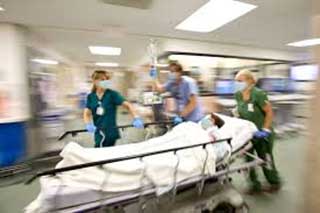
They are expected to be clinically sharp, emotionally contained, and ready for the next call before they have had time to process the last one.
That kind of work leaves a mark.
Research continues to show that emergency nurses carry a heavy trauma burden. A 2024 systematic review found the pooled prevalence of secondary traumatic stress among emergency nurses was 65%, with North American studies showing a pooled prevalence of 59%. A separate national survey of emergency nurses found that about 38% reported high secondary traumatic stress, and 29% reported decreased work productivity after trauma patient care.
That matters because secondary traumatic stress is not just "having a rough shift." It is the cumulative impact of repeated exposure to other people's trauma. In emergency settings, that can look like intrusive memories, irritability, emotional numbing, sleep disruption, hypervigilance, compassion fatigue, and the growing sense that your nervous system never really powers down. The CDC notes that healthcare work is shaped by long hours, hazardous conditions, and repeated exposure to suffering and death, all of which can affect psychological and emotional well-being.
Burnout adds another layer.
In one 2025 study, 53% of responding emergency nurses reported high burnout. Other recent emergency nursing research has similarly linked burnout to trauma exposure, stressful schedules, workplace violence, and turnover.
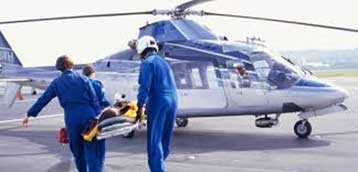 Then there are the flight medics and air medical crews.
This population can be even easier to miss because the workforce is smaller, more specialized, and often folded into broader EMS or transport conversations. But the work itself is intense: critical patients, confined aircraft environments, time pressure, weather risk, scene uncertainty, and repeated exposure to severe injury and medical crisis. Recent review literature on helicopter emergency medical services suggests that burnout and depression may show up more often than PTSD in HEMS personnel, even when traditional trauma symptoms appear lower than expected. Researchers studying HEMS wellbeing have also pointed to work culture and help-seeking behavior as important factors in whether these clinicians get support early or stay silent too long.
More broadly, EMS data help tell the story for flight medics too.
And still, many of these professionals do not reach for help when they need it.
That is not because they do not care. It is not because they are weak. It is because high-performance trauma professions teach people to function while hurting. A major meta-analysis found that about one in three first responders experiences mental health stigma, and confidentiality concerns were among the most commonly reported issues.
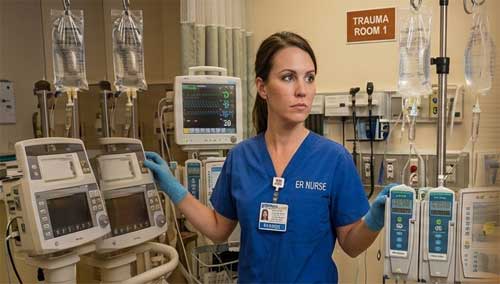 That tracks with what many in this line of work already know.
They worry about what treatment means for their license, their image, their reputation, their shift, their team, or their ability to keep doing the work they love. They tell themselves they are fine because they are still showing up. They normalize poor sleep, emotional shutdown, snapping at home, detachment, over-functioning, dark humor, and carrying the call long after the shift ends.
But functioning is not the same thing as being okay.
For ER nurses and flight medics, the wear and tear is not always dramatic. Sometimes it looks like dreading the next trauma activation. Sometimes it looks like feeling nothing when something awful happens. Sometimes it looks like crying in the car, drinking to come down, becoming harder at home, or feeling disconnected from people who used to matter. Sometimes it looks like doing your job well while quietly falling apart outside of it.
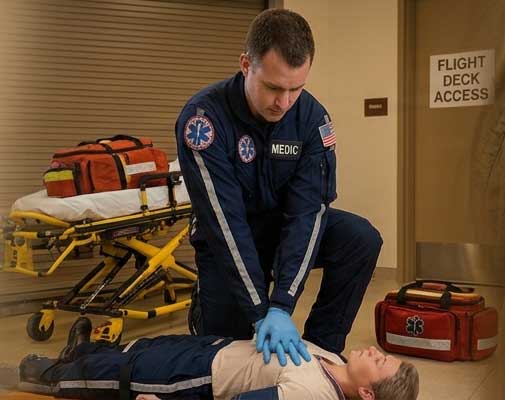 This population deserves more than a generic wellness message.
They need trauma-informed care that understands the culture, the dark humor, the operational mindset, the adrenaline, the moral injury, and the internal pressure to keep moving. They need treatment that respects their competence while making room for their pain. And they need a place where they do not have to waste energy explaining why "just talk about your feelings" is not enough.
At GRIT, we believe ER nurses and flight medics belong in the same conversation as every other first responder and military professional who has spent too much time carrying too much weight. They may wear different uniforms. They may work under hospital systems, transport teams, or air medical programs. But the exposure is real, the cost is real, and the need for help is real too.
If you are an ER nurse or flight medic and you have been telling yourself to suck it up, hold it together, or push through one more shift, this is your reminder: the fact that you can still perform does not mean the job is not affecting you.
And if you are reading this because you recognize these signs in someone you love, someone you work with, or someone on your team, do not overlook them just because they still look functional.
Some of the strongest people in the room are carrying the heaviest unseen load.
Magnolia Meadows Residential Treatment Facility provides Treatment exclusive for First Responders & Veterans battling Trauma, Mental Health Conditions and Co-Occurring Disorders, creating a healing atmosphere for recovery, and instill a confident hope that better days are ahead.
Reach out to learn more or speak with an admissions specialist.
855-644-7500
[email protected]