

Resources
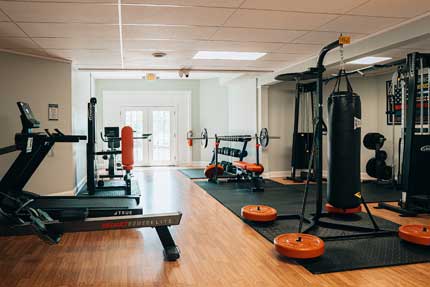



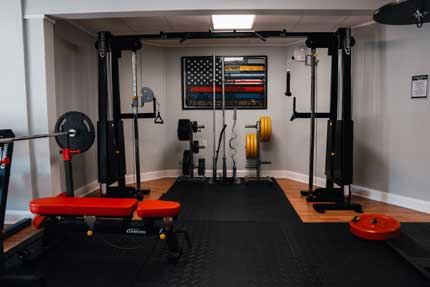





Magnolia Meadows First Responder and Military Personnel Treatment Center
Magnolia Meadows Residential Treatment Facility provides Treatment exclusive for First Responders/Military battling Trauma, Mental Health Conditions and Co-Occurring Disorders, creating a healing atmosphere for recovery, and instill a confident hope that better days are ahead.
Our residential Treatment Facility is more than just a place to get sober or process trauma, it's a sanctuary for healing, a place to learn new coping skills, and a community where they can feel seen and understood. By providing a safe and immersive environment, these programs offer a powerful path toward reclaiming their lives from the grip of PTSD, addiction, and the unseen wounds of their service.
Features Articles & Blogs View All
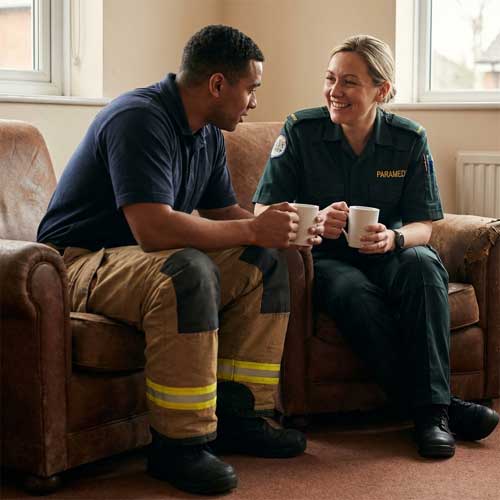
Firefighters and PTSD Finding Hope and Healing During PTSD Awareness Month
PTSD Awareness Month is a time to acknowledge the impact that repeated trauma can have on those who serve in high stress roles, including firefighters.
Firefighters step into situations where most people spend their lives trying to avoid. Serious accidents, structure of fires, medical emergencies, and loss are part of the job. Over time, those experiences do not simply stay at work..
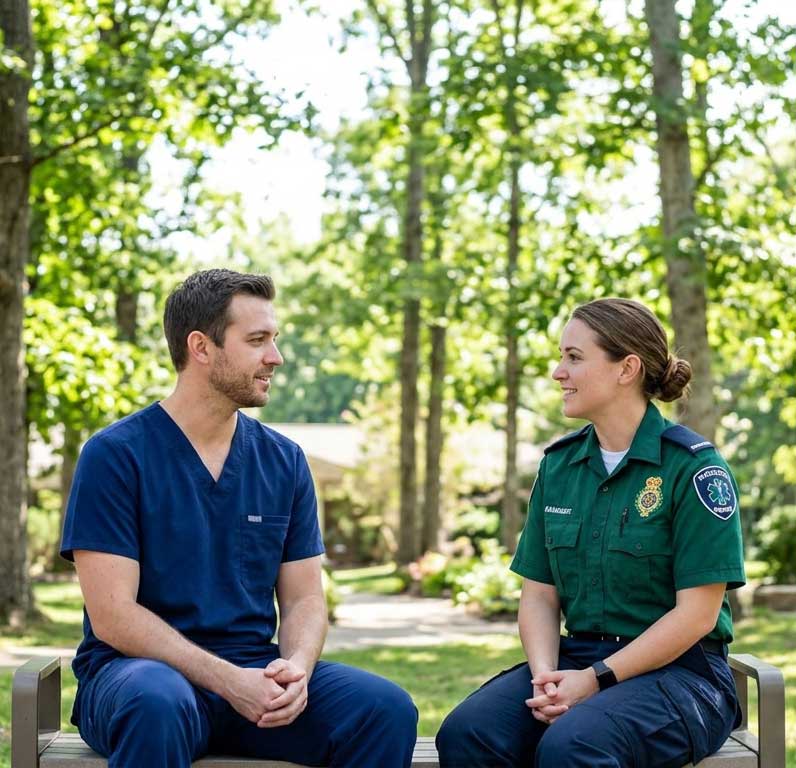
Why Summer Is the Ideal Time to Seek Treatment
For veterans, active-duty military members, and first responders, mental health challenges often stem from intense, high stakes experiences. From PTSD and trauma exposure to burnout and substance use disorders, these populations face unique pressures that require specialized care.
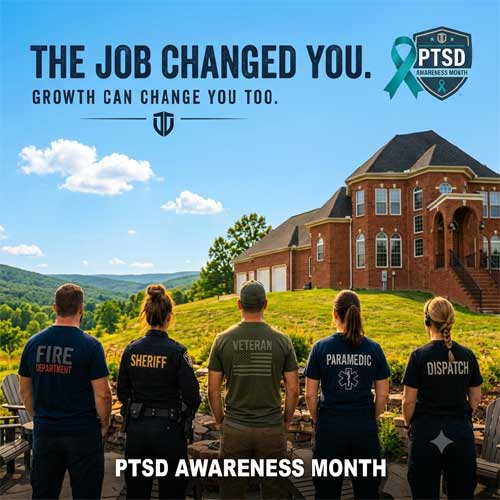
The Job Didn't Break You. It Changed You.
Every year around this time, articles start popping up everywhere about PTSD. We see the statistics. We see the signs and symptoms. We hear reminders to check on our people and ask for help if we need it. None of that is wrong. But if you've spent any amount of time in law enforcement, fire, EMS, dispatch, corrections, the military, or an ER, you've probably heard it all before. So let's talk about something different..
More Than a Call Why Suicide Ideation Awareness Matters in EMS
Every day, EMTs and paramedics respond to people experiencing some of the most difficult moments of their lives. Physical injuries are often visible, but emotional pain can be much harder to recognize. While EMS professionals are trained to address medical emergencies.
Our Team





Frequently Asked Questions View All

