


Why Summer Is the Ideal Time for Veterans, First Responders, and Military Personnel to Seek Treatment
By: Magnolia Meadows
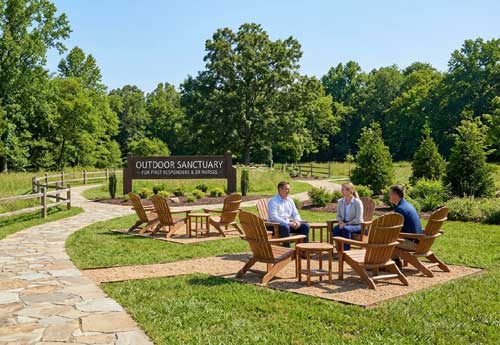 For veterans, active-duty military members, and first responders, mental health challenges often stem from intense, high stakes experiences. From PTSD and trauma exposure to burnout and substance use disorders, these populations face unique pressures that require specialized care. Choosing the right time to seek treatment can significantly impact outcomes, and summer presents a powerful, often underutilized opportunity for healing.
This article explores why summer is one of the most effective seasons for veterans, military personnel, and first responders to begin treatment, both from a clinical and practical standpoint.
- A Natural Break in Routine Creates Space for Healing
Summer often brings a shift in personal and professional rhythms. For many people, work schedules may be lighter or more flexible, families take vacations reducing home obligations, and schools are out which eases childcare demands. This change in routine opens a critical window where individuals can step away from daily stressors and commit to treatment without the same level of disruption. For veterans and first responders, who often operate in rigid or high demand environments, this seasonal slowdown can make it more feasible to enter residential or inpatient care, commit to intensive outpatient programs, and focus fully on recovery without competing priorities.Why it matters: Recovery requires time, presence, and consistency. Summer removes barriers that often prevent people from fully engaging in treatment during busier seasons.
- Improved Mental Health Outcomes Due to Seasonal Factors
Seasonal changes have a direct impact on mental health. Increased sunlight, longer days, and warmer weather are associated with improved mood and energy levels, increased serotonin production, better sleep regulation, and higher motivation for change.For individuals struggling with PTSD, depression, or anxiety, which are common among military and first responder populations, these factors can make a significant difference in their ability to engage in therapy.
Why it matters: Starting treatment during a period when mood is naturally more stable can lead to stronger engagement, reduced resistance, and better long term outcomes.

- Increased Access to Outdoor and Experiential Therapies
Summer allows treatment programs to incorporate a broader range of therapeutic modalities that are especially effective for trauma recovery. These include adventure therapy such as hiking or ropes courses, mindfulness in nature, physical fitness and movement based healing, and group therapy in outdoor environments.These experiential approaches are particularly beneficial for veterans and first responders, who often respond well to action oriented therapies, structured physical activity, and team based healing environments.
Why it matters: These modalities help process trauma in ways that go beyond traditional talk therapy, providing more comprehensive and engaging treatment experiences.
- Reduced Triggers Compared to High Stress Seasons
Certain times of the year, especially fall and winter, bring increased emotional stress due to holidays and family pressures, seasonal affective disorder, anniversary dates of traumatic events, and increased isolation.By beginning treatment in the summer, individuals can build coping skills and emotional resilience before these high risk periods arrive.
Why it matters: Early intervention allows veterans and first responders to enter more difficult seasons with a strong foundation of tools, support systems, and emotional stability.
- Greater Family Support and Involvement
Summer often enables families to be more involved in the treatment process. Spouses, partners, and children may have fewer scheduling conflicts, making it easier to participate in virtual family therapy sessions and provide emotional support during recovery.For military families and first responders, whose loved ones are deeply impacted by trauma and stress, this involvement is critical.
Why it matters: Family engagement significantly improves treatment outcomes, strengthens relationships, and supports long term recovery success.
- Strategic Timing for Career and Life Transitions
Summer can align with key transition periods such as the end of military contracts or deployments, departmental shifts for first responders, or career changes and planned leave. Seeking treatment during this time allows individuals to reset, recover, and return to their roles stronger and more prepared. Why it matters: Addressing mental health proactively helps prevent burnout, improves job performance, and can extend career longevity. - Breaking the Stigma with a Fresh Start For many veterans and first responders, stigma remains a major barrier to seeking help. Summer offers a psychological reset point, a chance to step away from identity pressures tied to the job, focus on personal wellbeing, and reframe treatment as a sign of strength rather than weakness. The season itself often symbolizes renewal and growth, making it an ideal time to begin the healing journey.
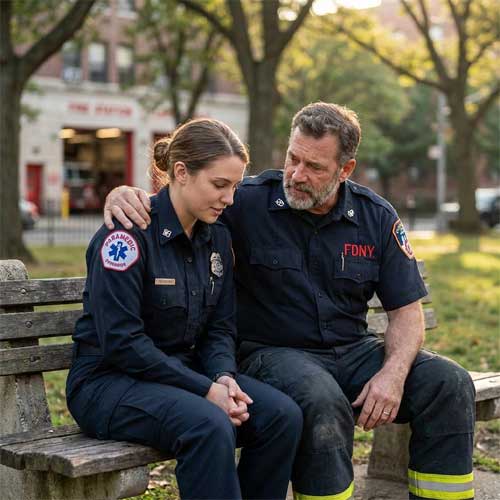 Final Thoughts: Don't Wait for a Crisis
One of the most important messages for veterans, military personnel, and first responders is that you do not have to wait until things get worse to seek help.
Summer provides a unique combination of practical flexibility, emotional readiness, and clinical advantages. Taking advantage of this season can mean the difference between delayed care and meaningful, lasting recovery.
If You're Considering Treatment
If you or someone you love is struggling with trauma, substance use, depression, or burnout, now is the time to act. Programs designed specifically for veterans, military members, and first responders offer tailored care that addresses their unique experiences and needs.
Starting treatment this summer could be the turning point toward a healthier, more stable future.
Magnolia Meadows Residential Treatment Facility provides Treatment exclusive for First Responders & Veterans battling Trauma, Mental Health Conditions and Co-Occurring Disorders, creating a healing atmosphere for recovery, and instill a confident hope that better days are ahead.
Reach out to learn more or speak with an admissions specialist.
855-644-7500
[email protected]