


Honoring Independence Day While Supporting Mental Health: PTSD Awareness Around the 4th of July
By: Magnolia Meadows
At the same time, it is important to recognize that for many individuals, especially veterans and those who have experienced trauma, Independence Day can bring mixed emotions.
Fireworks, crowds, and loud noises that are part of the celebration can also be powerful triggers for those living with Post-Traumatic Stress Disorder (PTSD). A sound meant to symbolize celebration can sometimes feel-like something very different to the brain and body.
When Celebration Becomes Overwhelming
For individuals with PTSD, fireworks can mimic the sensory experiences of past traumatic events. Sudden loud noises, bright flashes, and vibrations can activate the body's survival response, even when there is no real danger.
This can lead to symptoms such as increased anxiety, irritability, heightened alertness, or flashbacks. Some people may feel on edge, struggle to sleep, or withdraw from social situations altogether. Others may notice a shorter temper or feel overwhelmed in environments that once felt manageable.
It is important to understand that these reactions are not a choice, and they are not a sign of weakness. They are the result of a nervous system that has been trained to protect in high stress situations and has not yet fully reset.
You Can Celebrate in a Way That Works for You
Supporting mental health during the holiday does not mean missing out on the meaning behind it. It means finding ways to engage that feel safe and manageable.
Some individuals choose to celebrate in quieter settings, spend time with trusted people, or plan activities earlier in the day before fireworks begin. Others may use grounding techniques, listen to calming music, or create a comfortable space where they can step away if needed.
There is no right or wrong way to experience the 4th of July. What matters most is honoring your own needs while still recognizing the significance of the day.
 Supporting Those Who May Be Struggling
This time of year, is also an opportunity for friends, families, and communities to be more aware and supportive. A simple check in, offering understanding, or creating a quieter environment can make a meaningful difference.
If someone seems more irritable, withdrawn, or overwhelmed, it may not be about the event itself, but about what it represents to their nervous system. Leading with empathy can help reduce isolation and create a sense of safety.
You Are Not Alone and Help Is Available
If the 4th of July brings up symptoms of PTSD such as anxiety, irritability, or flashbacks, it is important to know that you are not alone and that support is available. These experiences are common among those who have been through trauma, and they can be treated.
At Magnolia Meadows, we provide trauma informed care designed to help individuals process these experiences and regain a sense of control. Through evidence-based therapies and a supportive environment, we help clients understand their responses, reduce triggers, and build tools for long term stability.
Moving Forward With Strength
Independence Day is about freedom, and that includes the freedom to seek support and take care of your mental health. Strength is not just about enduring difficult moments. It is about recognizing when help can make a difference.
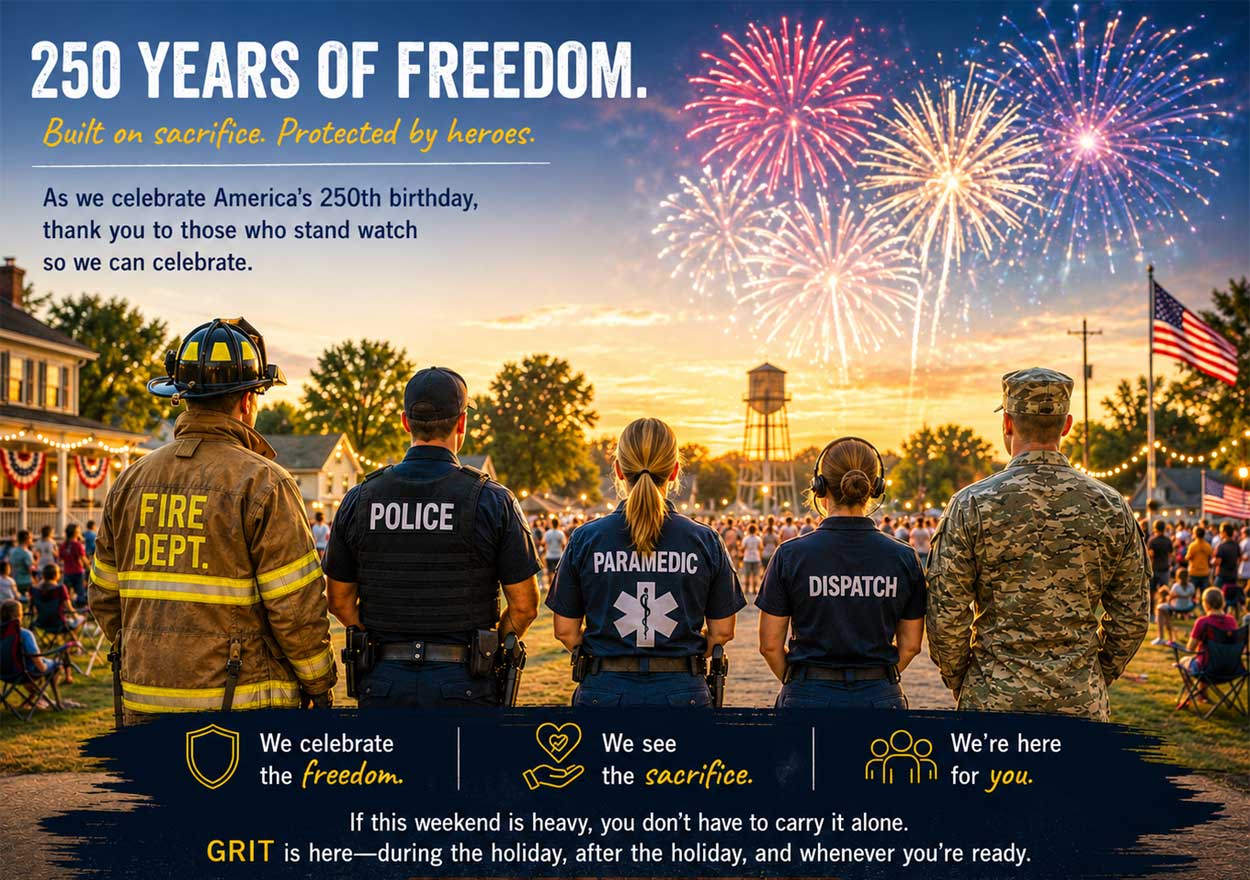
As you celebrate this historic 250th anniversary, take a moment to check in with yourself and those around you. Whether you are enjoying fireworks, choosing a quieter celebration, or navigating a more difficult experience, your wellbeing matters.
If you or someone you know is struggling this season, reaching out for support can be the first step toward feeling more grounded, connected, and at peace.
Magnolia Meadows Residential Treatment Facility provides Treatment exclusive for First Responders & Veterans battling Trauma, Mental Health Conditions and Co-Occurring Disorders, creating a healing atmosphere for recovery, and instill a confident hope that better days are ahead.
Reach out to learn more or speak with an admissions specialist.
855-644-7500
[email protected]