

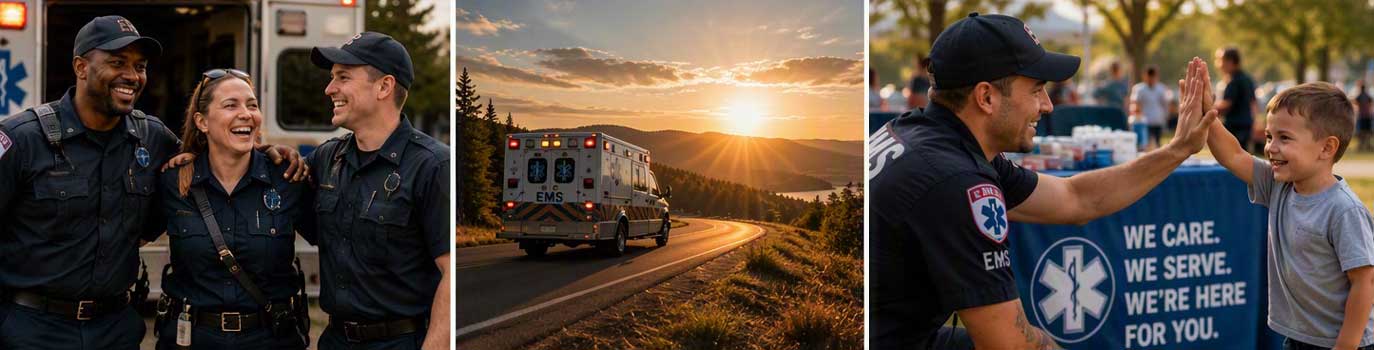
More Than a Call: Why Suicide Ideation Awareness Matters in EMS
By: Magnolia Meadows
Suicidal ideation (SI) refers to thoughts of ending one's life. These thoughts can range from brief feelings of hopelessness to active planning. EMS professionals encounter people facing trauma, grief, chronic illness, substance use, financial hardship, and mental health challenges every day. For some patients, the EMS encounter may be the first opportunity to disclose thoughts of self-harm or suicide.
The importance of suicide awareness in EMS is supported by research. Studies have found that EMS clinicians and EMTs face a higher risk of suicidal thoughts, suicide attempts, and suicide death compared to the general population. One multi-state study found that EMTs experienced an elevated proportion of suicide deaths compared to the general U.S. working population. Additionally, research has reported that EMS professionals are approximately 1.4 times more likely to die by suicide than non-EMS workers.
The challenges of the profession contribute to this risk. Long hours, disrupted sleep, cumulative exposure to trauma, critical incidents, and the emotional weight of caring for people during crises can take a toll over time. A recent review of EMS mental health research found that suicidal ideation affects approximately one-third of EMS clinicians, highlighting the importance of ongoing awareness, prevention, and support efforts.
Recognizing suicidal ideation is not always straightforward. While some individuals may openly express a desire to die, others communicate their struggles more subtly. Warning signs can include:
- Talking about wanting to die or feeling like a burden
- Expressions of hopelessness or feeling trapped
- Withdrawal from family, friends, or activities
- Increased alcohol or substance use
- Significant mood changes
- Recent loss, trauma, or major life stressors
- Previous suicide attempts or self-harm behaviors
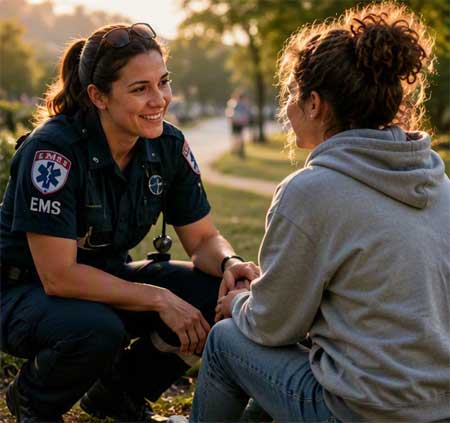 EMS professionals should remember that asking about suicide does not increase risk. In fact, direct and compassionate questions can provide relief and open the door to meaningful intervention. Questions such as, "Are you thinking about hurting yourself?" or "Have you had thoughts of ending your life?" can help identify individuals who may need immediate support.
When a patient discloses suicidal thoughts, one of the most powerful interventions is simple human connection. Listening without judgment, remaining calm, and communicating that help is available can reduce feelings of isolation. EMS providers may not be able to solve every problem, but they can ensure a person is not facing their crisis alone.
Just as important, EMS professionals must also care for themselves and one another. Burnout remains a significant concern within the profession. National workforce surveys have found that more than half of EMS professionals report on personal or work-related burnout. Burnout, compassion fatigue, and untreated stress can affect personal well-being, job performance, and mental health. Seeking support from peer teams, trusted colleagues, employee assistance programs, or mental health professionals demonstrates strength and professionalism.
Suicide prevention is not about having all the answers. It is about recognizing risk, asking the question, listening with compassion, and helping connect people to care. Whether the person in crisis is a patient, a coworker, a friend, or a family member, one conversation can make a difference.
The Reality
- EMS professionals face an increased risk of suicidal thoughts and suicide compared to many other occupations.
- Research has found suicidal ideation rates among EMS clinicians that are significantly higher than those seen in the general population.
- More than 50% of EMS professionals report personal or work-related burnout.
Early intervention works. Asking about suicide can save a life. Treatment works. Recovery is possible.
The opposite of suicidal thoughts is often connection.
A compassionate conversation, a direct question, and a safe handoff may be the first step toward hope, healing, and recovery.
If you or someone you know is experiencing suicidal thoughts, call or text 988 to reach the Suicide & Crisis Lifeline. In an emergency, call 911 immediately.
Magnolia Meadows Residential Treatment Facility provides Treatment exclusive for First Responders & Veterans battling Trauma, Mental Health Conditions and Co-Occurring Disorders, creating a healing atmosphere for recovery, and instill a confident hope that better days are ahead.
Reach out to learn more or speak with an admissions specialist.
855-644-7500
[email protected]