
PTSD Treatment Programs Designed for First Responders
You’ve seen things that can’t be unseen. Carried the weight of other people’s worst days — sometimes for years — without saying a word about it. That’s not weakness. That’s the job. Treatment built specifically for you is the way out.
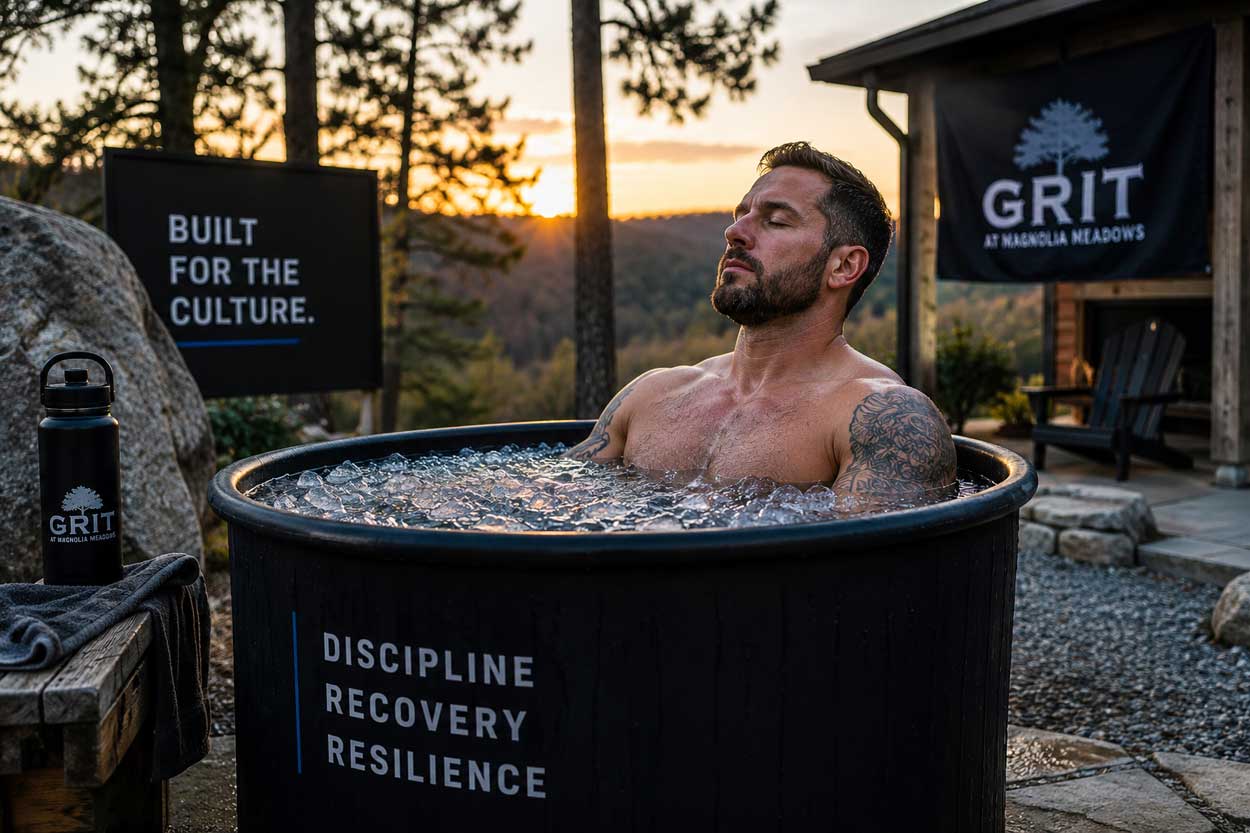
Magnolia Meadows is a residential PTSD treatment center in Waverly, Tennessee, designed exclusively for first responders and military veterans. We exist for one population. We understand one culture. And we treat one thing at the root: the trauma that service leaves behind.
Why PTSD hits first responders differently
Most people experience trauma once. First responders experience it repeatedly, often daily, often without time to process before the next call comes in. This creates a different kind of PTSD — one built from layers of cumulative trauma rather than a single incident. Hypervigilance that was trained and essential on the job becomes a liability at home. The culture of “push through it” keeps people suffering in silence for years before they seek help.
Research consistently shows that approximately 30% of first responders develop PTSD or depression — compared to roughly 20% in the general population. The exposure is higher, the culture makes disclosure harder, and most treatment programs weren’t designed with any of this in mind. We were.
Every treatment plan is individualized — built on evidence-based, trauma-focused care
EMDR
Helps the brain reprocess traumatic memories so they stop triggering the same intense emotional response. Delivered by Michelle Madden, LPC, CADC II, an Emdria-certified EMDR therapist.
Cognitive Processing Therapy (CPT)
Addresses the stuck thoughts that keep trauma alive — "I should have done more," "I can’t trust anyone" — and replaces them with ones that are more accurate.
Prolonged Exposure (PE)
Gradually reduces the avoidance patterns that reinforce PTSD, working through trauma memories in a safe, controlled environment.
Trauma-Informed Group Therapy
Peer-based, first-responder-specific groups. No explaining what a line-of-duty death feels like — just people who know.
Family Involvement
Family therapy components that help the people who love you understand what’s happening, and how to be part of the healing.
What residential treatment looks like
Our program is fully residential — you live on campus for the duration of your treatment. This removes you from the environments, triggers, and daily stressors tied to your trauma and gives you the space to focus on nothing but getting better. Our Waverly, Tennessee campus is private, secure, and designed for this population.
Kali and Nash, our emotional support animals, are a regular presence on campus. For many people, their calming influence during difficult therapy sessions is something they didn’t know they needed until they experienced it. Our program is Joint Commission accredited and LegitScript certified — the same standards hospitals are held to.
Who this program is for
- Law enforcement officers, firefighters, EMTs & paramedics
- Dispatchers and communications personnel
- Military veterans and active-duty service members
If you’ve been exposed to…
- Shootings, mass casualty events, or line-of-duty deaths
- Combat deployments or serious accidents
- Any of the countless things the job puts in front of you
Does insurance cover PTSD treatment?
Many insurance plans, including TRICARE and VA benefits, cover residential PTSD treatment. Our admissions team will verify your coverage before you arrive so there are no surprises.
Frequently Asked Questions
What PTSD treatments are used at Magnolia Meadows?
We use evidence-based, trauma-focused modalities including EMDR, Cognitive Processing Therapy (CPT), Prolonged Exposure (PE), trauma-informed group therapy, and individual therapy. Treatment plans are individualized based on your clinical needs.
How long is the residential PTSD treatment program?
Program length varies based on individual clinical needs. Our admissions team will discuss typical program length during your initial consultation.
Do I have to be actively employed as a first responder to attend?
No. We serve both active and retired first responders, as well as military veterans. If you served in a first responder or military role, you’re eligible.
Can family members be involved in treatment?
Yes. Family involvement is an important component of the recovery process. We offer family therapy as part of the treatment program.
How do I get started?
Call 931-465-2658 or visit our contact page. Our admissions team is available to answer your questions, verify insurance, and walk you through what to expect.
You've spent your career showing up for others.
This is you showing up for yourself.