

Articles related to residential treatment for first responders and military

Why First Responders, Veterans, and Active Military Should Seek Treatment During the Holidays
The holiday season is often described as a time of joy, connection, and celebration. For many first responders, veterans, and active military, it can also be one of the most difficult times of the year..
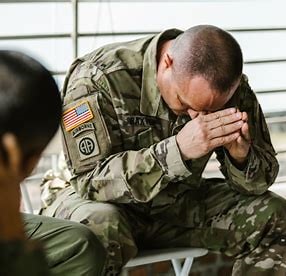
Survivor Guilt in First Responders, Military, and Veterans: What It Is, Why It Shows Up, and How We Treat It
If you've ever walked away from a call or a deployment thinking, "Why them and not me?"
you're not broken, and you're not alone. Survivor guilt is a common, human response to tragedy.
In today's language, it often travels with moral injury and PTSD but it can also show up on its
own.

Supporting a Loved One in Residential Treatment: A Guide for Families, Spouses, and Partners
When someone you love decides to enter treatment, it can stir up a mix of emotions: relief, worry, hope, and fear all at once. You may feel proud that they're taking this step, but unsure what comes next. You might wonder what life will look like during and after treatment, or how you can help without overstepping. .
Will I Lose My Job if I Get Mental Health or Addiction Treatment
A Straightforward Guide for First Responders and Military Members
If you've ever thought, "I can't" risk my badge, my clearance, or my career by getting help, you're not alone. Across fire services, law enforcement, EMS, dispatch, corrections, and the military, many professionals' delay treatment because they fear it will jeopardize their position.

The Overlooked Wound: How Moral Injury Deepens PTSD in First Responders and Veterans What Happens After the Call: When Trauma Follows You Home
For first responders and military members, that 'something' often shows up as PTSD or something quieter, harder to name: moral injury. They are not the same, but they often show up together. And when they do, the weight can be crushing..
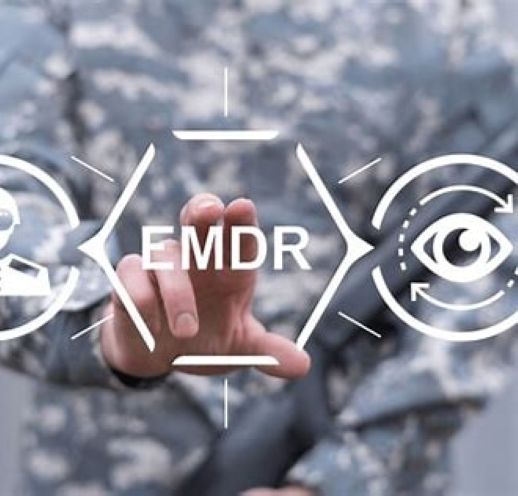
Tactical Healing: How EMDR Helps First Responders and Military Reclaim Control
At GRIT, Magnolia Meadows, we use Eye Movement Desensitization and Reprocessing (EMDR) to help first responders, veterans, and active-duty military process trauma safely without having to relive it. .

Why first responders and military personal struggle with anger and how treatment can help
Anger isn’t just about being irritable or “having a short fuse.” For those in high-stress, life-or-death professions, anger can stem from a complex mix of emotional, psychological, and physical stressors. .

The Brain's Reward Circuit: Why Stopping Isn't So Simple
Why it’s hard to stop substances on your own, and what happens in your brain when you try
Quitting drugs or alcohol is not as simple as just deciding to stop. Many people attempt to quit on their own, without support or treatment, only to find themselves falling back into old patterns. .

Strong on the job, struggling inside: Stress signals every first responder should know
First responders are wired to run toward chaos, while watching others’ run away. Firefighters, police officers, EMS, and dispatchers all carry the weight of responsibility that comes with those split-second decisions..

GRIT's First Alumni Picnic - Why It Hit Home
The first weekend of September, the GRIT campus wasn't quiet. The place was alive — kids running, barbecue smoke in the air, people swapping stories like they'd known each other for years. It wasn't just a cookout. It was proof that when you put first responders, veterans, and their families in the same space, something real happens..
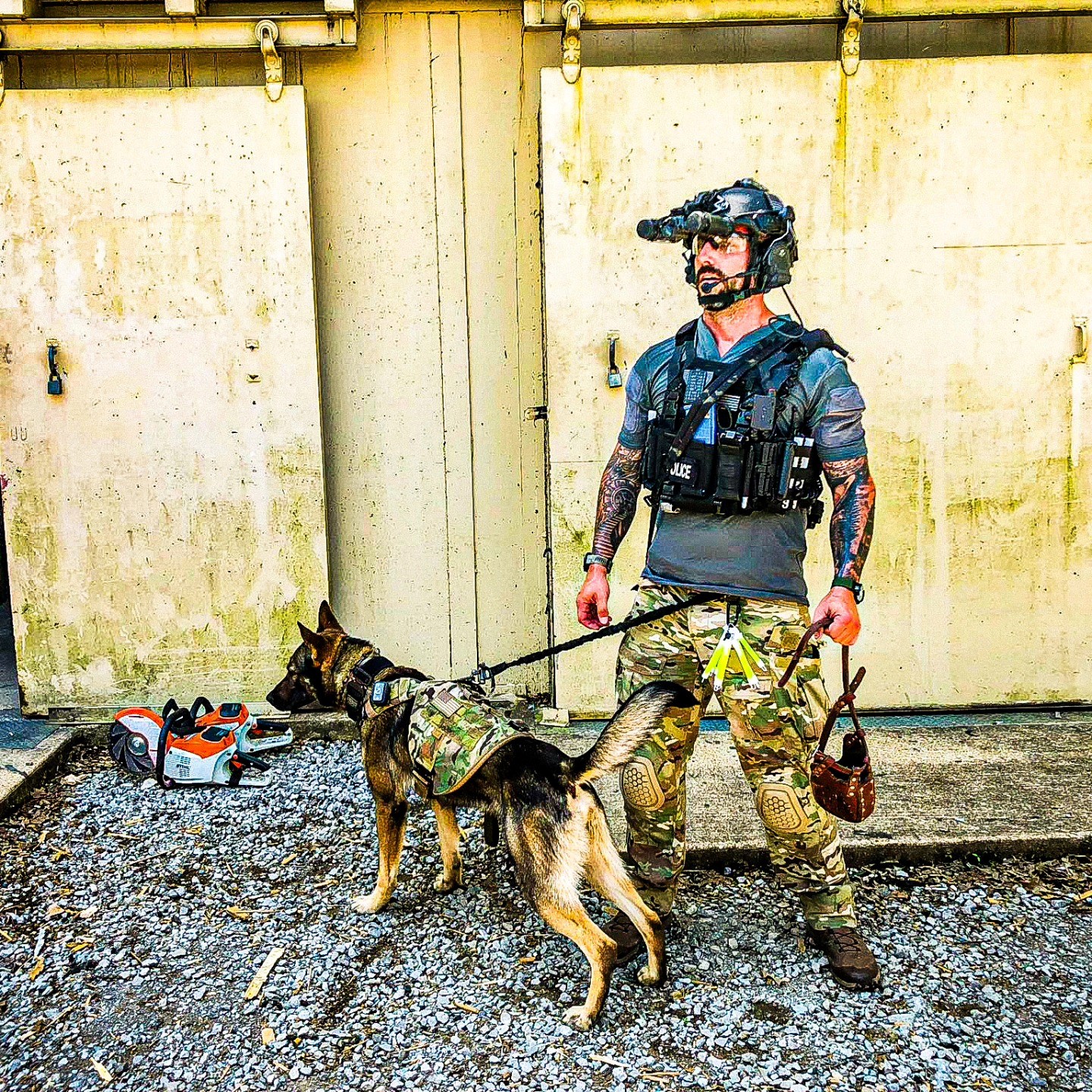
From SWAT to Sharing: Steve H.'s Journey of Healing and Impact
At GRIT, we often say that recovery is not the end of the story—it’s the beginning of a new chapter. For Steve H., a former SWAT officer and K9 handler, that chapter has been defined by courage, connection, and a commitment to helping others walk the same path he’s on.
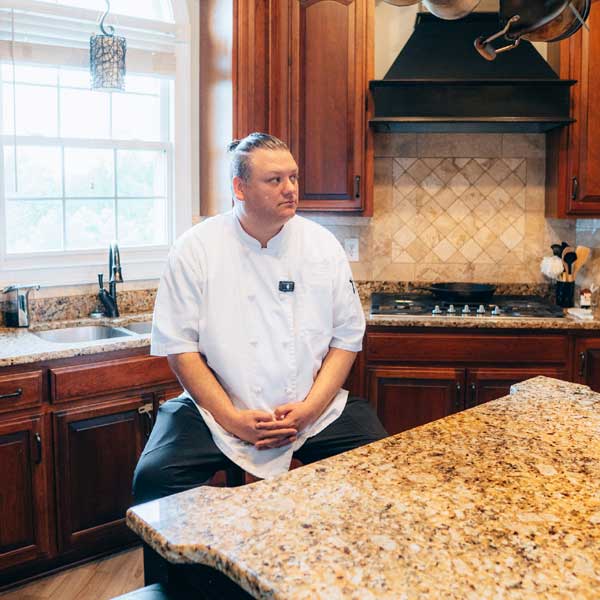
From the Frontlines to the Kitchen
The smell of hickory-smoked pork drifts through the open kitchen at Magnolia Meadows, carrying with it the warmth of a place where healing feels tangible. Behind the counter, moving with a precision that speaks to years of discipline, is Andy—a U.S. Marine turned Executive Chef. .