

Articles related to residential treatment for first responders and military
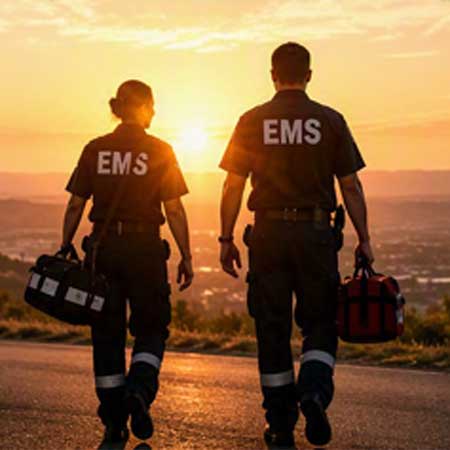
More Than a Call Why Suicide Ideation Awareness Matters in EMS
Every day, EMTs and paramedics respond to people experiencing some of the most difficult moments of their lives. Physical injuries are often visible, but emotional pain can be much harder to recognize. While EMS professionals are trained to address medical emergencies.

When the Call Ends the Impact Doesnt
Suicide Awareness and the Hidden Mental Health Burden of Dispatch
When we talk about first responder mental health, we usually picture the people arriving on scene: the firefighter, police officer, paramedic, or EMT..
When the Past Shows Up in the Present
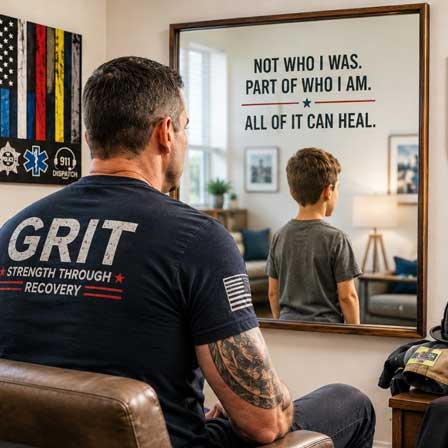
Unresolved childhood trauma doesn't always look like trauma. Sometimes it looks like independence. Control. Perfectionism. Dark humor. Staying busy. Never asking for help. Being the person everyone else can count on..

ER and Trauma Nurses
Emergency room and trauma nurses are often viewed as calm professionals who manage chaos, save lives, and provide comfort during some of the worst moments a person can experience..

Dispatchers
How trauma, chronic stress, and staffing shortages feed one another in emergency communications
When most people picture a first responder, they picture the person arriving on scene...the police officer, firefighter, or paramedic. But before any of them get there, someone answers the call..
Before the Breaking Point
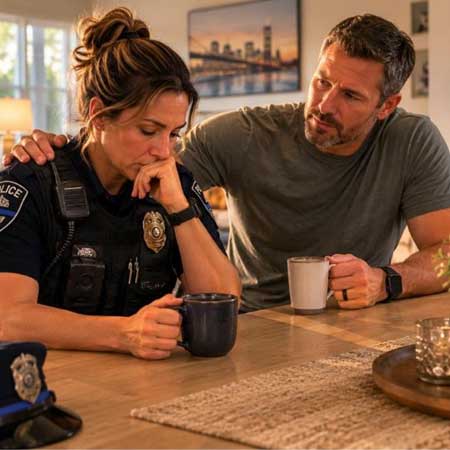
First responders and military personnel are really good at functioning when things aren't okay.
It's part of the culture. Show up. Handle the call. Complete the mission. Take care of everyone else. Push through it. Deal with yourself later. That ability can be a tremendous strength, .
More Than a Weekly Meeting
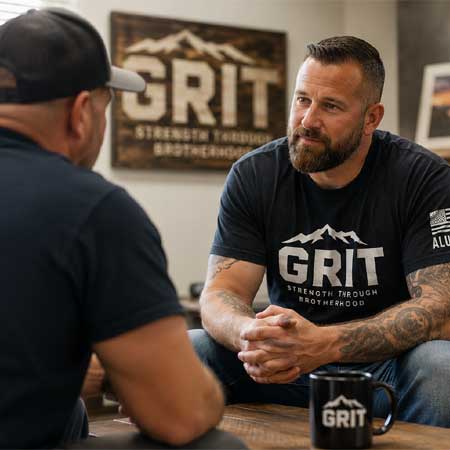
Introducing the GRIT Alumni Outreach Volunteer Program
One of the questions we're asked most often is, What happens after treatment?
At GRIT, we believe recovery doesn't end at discharge.
When Alumni Answer the Call
How One Conversation Helped a First Responder Choose Treatment
If I can talk someone else into getting help... why won't I get help myself?
Those were the words one of our current clients shared during a recent conversation about what led her to GRIT..
What Every Spouse of a Veteran Active-Duty Military or First Responder Should Know About Trauma
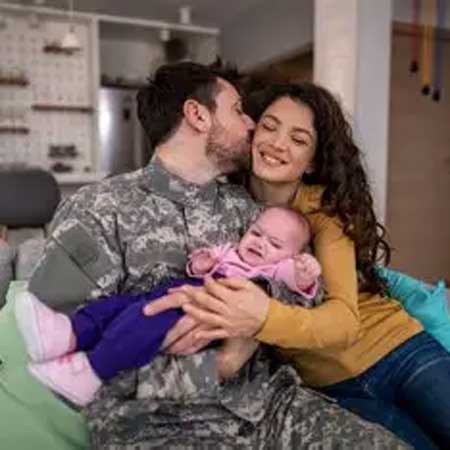
When you love a veteran, active-duty service member, police officer, firefighter, paramedic, or EMT, you understand that the job comes with sacrifices. You expect the long shifts,.

The Trauma Before the Trauma
Why so many first responders and military members begin carrying the weight long before they ever wear the uniform.
Why do so many first responders and military members choose careers that require them to run toward danger while everyone else is running away?
.

When Normal Feels Impossible The Hidden Struggle of Coming Home After Service
For first responders, active-duty military personnel, and veterans, some of the hardest moments do not happen during an emergency call, a deployment, or a tour of duty.
PTSD Awareness Around the 4th of July
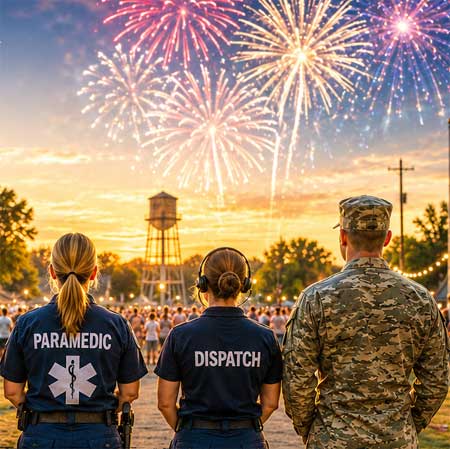
As we approach the 4th of July, there is a renewed sense of excitement across the country. This year is especially meaningful as we celebrate the 250th birthday of the United States, a milestone that represents resilience, freedom, and the strength of those who have served to protect it..