
Residential Treatment for Police Officers and Law Enforcement
Police officers, deputies and troopers come to our residential program in Waverly, Tennessee, alongside other first responders and veterans. Magnolia Meadows is a Fraternal Order of Police Approved Wellness Provider, and our admissions team answers day or night.
What Police Work Carries
Police work means walking into domestic calls, fatal crashes and scenes involving children without knowing how they'll end. Most officers handle each one and move on, because the next call doesn't wait. The weight tends to show up later, in your sleep, your patience at home, or how many drinks it takes to unwind.
Then there's the pressure from outside the call. Public scrutiny, internal reviews and court dates can follow an incident for months. Many officers also worry that asking for help will cost them their assignment or their career, so they say nothing until things are serious.
What We Treat
Critical Incidents and PTSD
One call, like an officer-involved shooting or a child death, can stay with you for years, and so can hundreds of smaller ones. Our PTSD and trauma treatment program uses EMDR, cognitive processing therapy (CPT) and prolonged exposure (PE) to help you work through those memories.
Alcohol and Substance Use
Drinking after shift is part of the culture in a lot of departments, and it can take years before anyone calls it a problem. Our addiction treatment program covers alcohol and other substance use alongside the trauma that often drives it.
Moral Injury
Moral injury can follow a use-of-force decision you keep replaying, a case where the system failed a victim, or leadership that didn't back you up. Our moral injury treatment program works on the guilt and anger those situations leave.
Burnout
Mandatory overtime, short staffing and rotating shifts can drain the motivation that brought you to the job. Our burnout treatment program looks at what's underneath the exhaustion, since it's sometimes PTSD or depression that hasn't been treated.
In Group With People Who Know the Job
Your groups are made up of first responders and veterans, not the general public. Officers often find it easier to talk about a use-of-force incident or a bad scene when nobody in the room is going to second-guess the call. Research points the same way: in a 2020 review of police mental health, officers with more peer support had fewer PTSD symptoms.
What a Stay Looks Like
You live on our 32-acre campus in Waverly for about 30 to 45 days, in a program with 15 beds. Days include individual therapy, group work, dialectical behavior therapy (DBT) skills and experiential work outdoors. A psychiatrist sees clients by video for evaluation and medication management, and family therapy helps the people at home understand what you've been carrying.
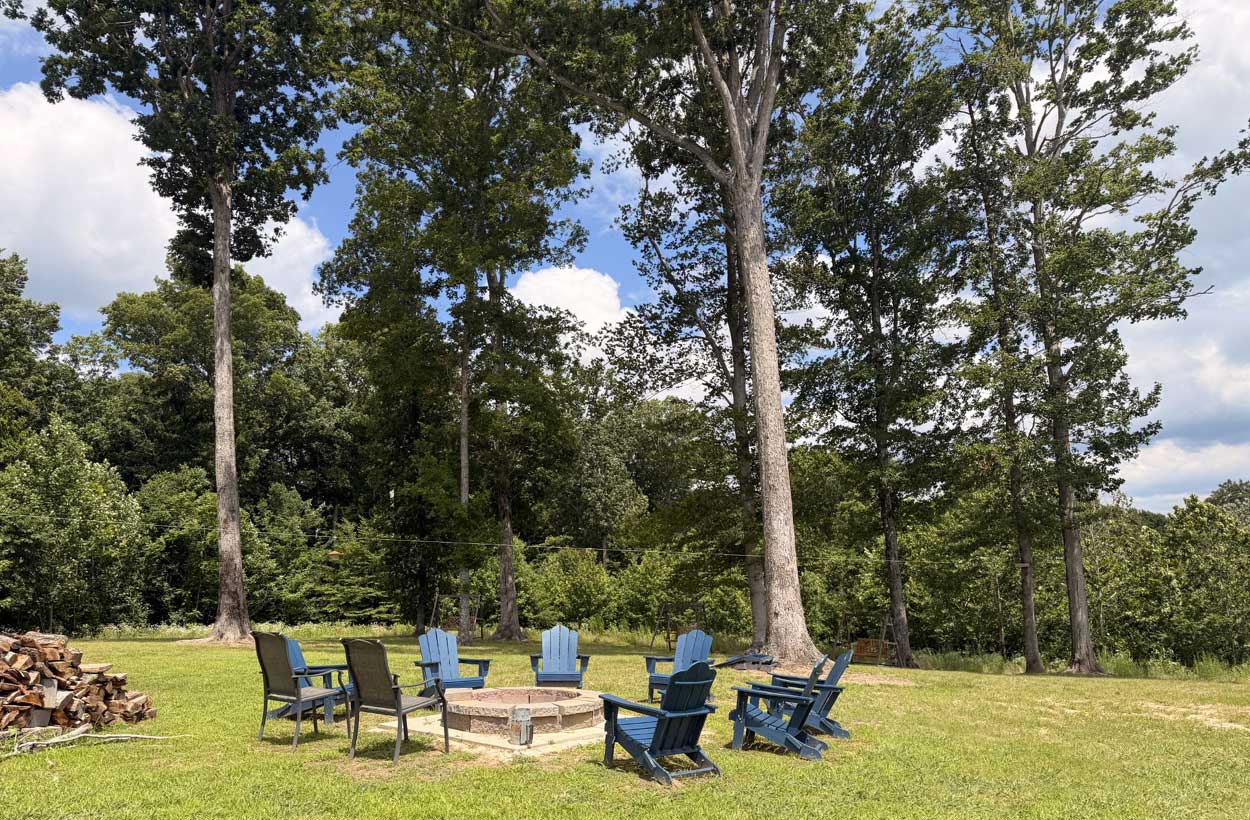
Off the schedule, there's a gym, a theater, a firepit and two emotional support dogs, Kali and Nash.
Going Back on the Job
For many officers, the goal is to return to duty. Some departments require a fitness-for-duty evaluation first, and that decision belongs to the department. Your treatment team can talk with you about what returning will look like, and before you leave, they build a plan for continued care closer to home.
Paying for Treatment
We work with most commercial health plans. We're also in network with the VA Community Care Network (CCN) and TRICARE, which matters if you served in the military before or alongside your current career. We don't accept Medicare or Medicaid, and our admissions team verifies your coverage before you arrive. If your condition is tied to the job, workers' compensation may cover treatment, depending on your state's rules. Leave under the Family and Medical Leave Act (FMLA) can protect your job while you're here. You can review treatment costs and payment options before you call.
For Supervisors and Peer Support Teams
If you're worried about someone on your shift or in your agency, you can call our admissions team yourself. We can explain how intake works and what to say to the officer.
Frequently Asked Questions
Will my department find out I'm in treatment?
Your treatment records are protected by federal privacy law, including HIPAA, and are generally not released to your employer without your written consent. If you use workers' compensation or your agency requires a fitness-for-duty evaluation, some information may be shared through that process. Our admissions team can walk you through how it applies to you.
Will I be in group with civilians?
No. Magnolia Meadows serves first responders, veterans and service members only.
I'm retired. Can I still come?
Yes. We treat active and retired law enforcement.
How long is the program?
Most stays run 30 to 45 days, depending on your progress and your coverage.
Talk With Our Admissions Team
We can check your coverage confidentially and answer your questions before you decide anything.