


Corrections and PTSD Finding Hope and Healing During PTSD Awareness Month
Corrections professionals quietly carry one of the heaviest mental health burdens in public safety. Alongside veterans, active military, and first responders, they face repeated exposure to trauma in environments where there is little room to process what they experience.
The reality is that PTSD in corrections is more common than many people realize and far less talked about than it should be.
The Reality of Trauma in Corrections Work
Working in a correctional setting means living in a constant state of alert. Officers are exposed to violence, threats, medical emergencies, and suicide attempts on a regular basis. There is rarely a moment where the nervous system can fully stand down.
Unlike a single traumatic incident, this kind of repeated exposure adds up over time.
Many corrections professionals begin to notice changes such as:
- Trouble sleeping or shutting their mind off
- Staying on edge even when off duty
- Increased irritability or anger
- Feeling emotionally numb or disconnected
- Difficulty being present with family
 Why PTSD Often Goes Untreated
In correction's culture and across military and first responder communities there is still an unspoken expectation to push through. Many people avoid treatment because they are concerned about how it could affect their career or how they will be perceived.
Others simply do not recognize what they are experiencing as PTSD.
Instead, it can look like burnout, frustration, or just "part of the job."
But untreated trauma tends to grow over time. It impacts not only the individual, but also their relationships, physical health, and long-term quality of life.
The Importance of Specialized Care
Not all treatment environments feel safe or relevant for someone coming from corrections, the military, or first responder work. Sitting in a room where no one understands the reality of the job can make it harder to open up.
 That is why specialized programs matter.
A treatment center that is built specifically for veterans, active duty, corrections, and first responders provides something different:
- A shared understanding without needing to explain the job
- Clinical teams experienced in trauma related to public safety roles
- A structured environment that feels both safe and familiar
Healing Is Possible
One of the biggest misconceptions about PTSD is that it is permanent.
While the experiences themselves do not go away, the way they are held in the body and mind can absolutely change.
With the right treatment, people often begin to notice:
- More consistent sleep
- Less reactivity and better emotional control
- Reduced anxiety and hypervigilance
- Stronger connection with family and peers
- A sense of identity outside of the job
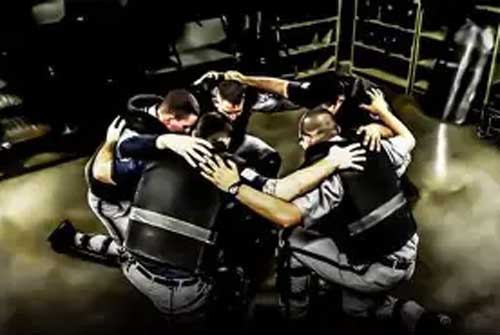 A Different Path Forward
For many, reaching out for help feels like the hardest step. But it is also the turning point.
Corrections professionals, veterans, active military, and first responders all share a common thread they have spent their careers showing up for others in difficult moments.
Treatment is a chance to do that for yourself.
During PTSD Awareness Month, the message is simple
You are not the only one dealing with this
What you are feeling makes sense given what you have been through
And there are people who understand how to help
Getting Support
If you or someone you care about is struggling with PTSD related to correction's work, military service, or first responder duties, it may be time to talk to someone who understands these experiences firsthand.
Specialized programs exist to provide confidential, effective care in an environment built for people who serve.
There is a path forward and it starts with a conversation.
Magnolia Meadows Residential Treatment Facility provides Treatment exclusive for First Responders & Veterans battling Trauma, Mental Health Conditions and Co-Occurring Disorders, creating a healing atmosphere for recovery, and instill a confident hope that better days are ahead.
Reach out to learn more or speak with an admissions specialist.
855-644-7500
[email protected]