

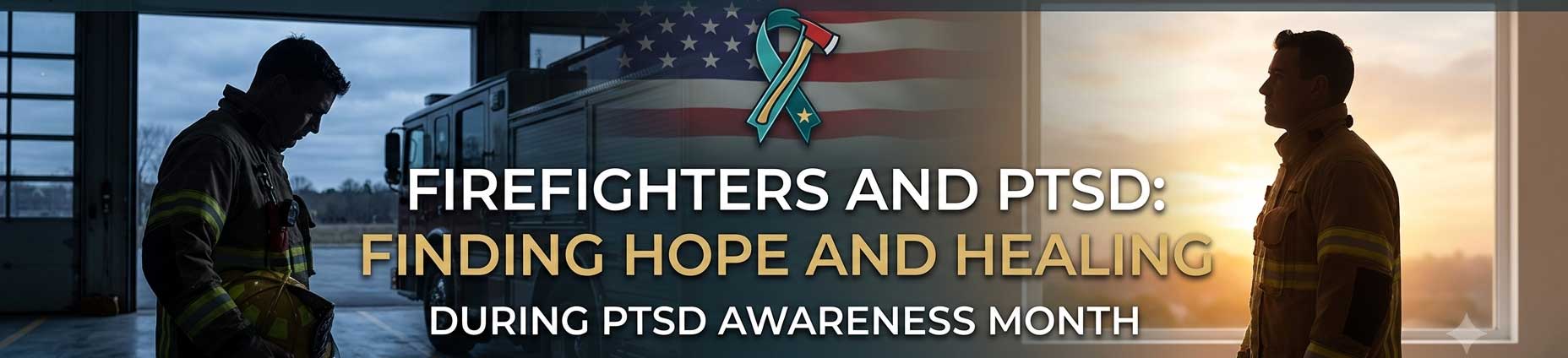
Firefighters and PTSD Finding Hope and Healing During PTSD Awareness Month
Firefighters step into situations where most people spend their lives trying to avoid. Serious accidents, structure of fires, medical emergencies, and loss are part of the job. Over time, those experiences do not simply stay at work. They build, often quietly, and begin to affect how someone feels, thinks, and functions day to day.
Working in the fire service requires constant awareness. The body and mind are trained to stay alert, to read situations quickly, and to respond without hesitation. That level of intensity is necessary on the job, but it is not always easy to turn off. Many firefighters begin to notice that they feel on edge even when they are home, or that certain calls stay with them longer than expected.
More often than not, it is not one single incident that leads to PTSD. It is the accumulation of years of difficult calls. Moments that were out of their control. Scenes that are hard to forget. Over time, that weight can show up in different ways, including stress, frustration, difficulty sleeping, or feeling disconnected from others.
The culture within the fire service is built on strength, reliability, and showing up no matter what. While those qualities are essential, they can also make it harder to acknowledge when something feels off. Many firefighters push through what they are experiencing, assuming it will pass or that it is just part of the job.
When trauma goes unaddressed, it often begins to affect more than just work. It can impact relationships, physical health, and overall wellbeing.
This is where the right kind of support can make a meaningful difference.
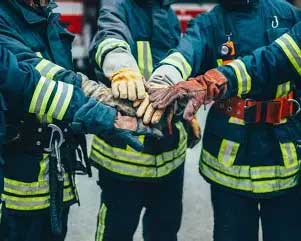 An exclusive treatment center that specializes in PTSD treatment for firefighters, veterans, active military, and first responders offers a level of care that is tailored to these experiences. It provides a setting where individuals do not have to explain the realities of the job in order to feel understood. Both the clinical team and the environment are built around trauma exposure that comes with public safety work.
Treatment in a specialized program often includes evidence-based therapies such as EMDR and Cognitive Processing Therapy. These approaches are designed to help process trauma, so it no longer carries the same intensity. Just as important, the environment allows firefighters to step away from the constant pressure of the job and focus on recovery in a structured, confidential setting.
For many, this combination of clinical expertise and shared understanding is what makes it possible to fully engage in treatment.
PTSD does not have to define someone's future. With the right care, many firefighters begin to notice changes that feel meaningful. Sleep improves. Reactions become more manageable. There is more presence at home and less mental carryover from calls. Over time, the job no longer feels as heavy as it once did.
 Healing does not mean forgetting what was experienced. It means carrying it differently.
Reaching out for help can feel unfamiliar, especially in a profession where people are used to handling difficult situations on their own. But it is often the first step toward feeling more in control again.
For firefighters who are noticing the long-term impact of the job, specialized PTSD treatment in an exclusive setting can provide a path forward. Programs designed specifically for firefighters and first responders offer care that is both confidential and relevant to the work they have done.
During PTSD Awareness Month, the message is simple. You are not alone in what you are experiencing. Support is available. And with the right treatment, healing is possible.
Magnolia Meadows Residential Treatment Facility provides Treatment exclusive for First Responders & Veterans battling Trauma, Mental Health Conditions and Co-Occurring Disorders, creating a healing atmosphere for recovery, and instill a confident hope that better days are ahead.
Reach out to learn more or speak with an admissions specialist.
855-644-7500
[email protected]