

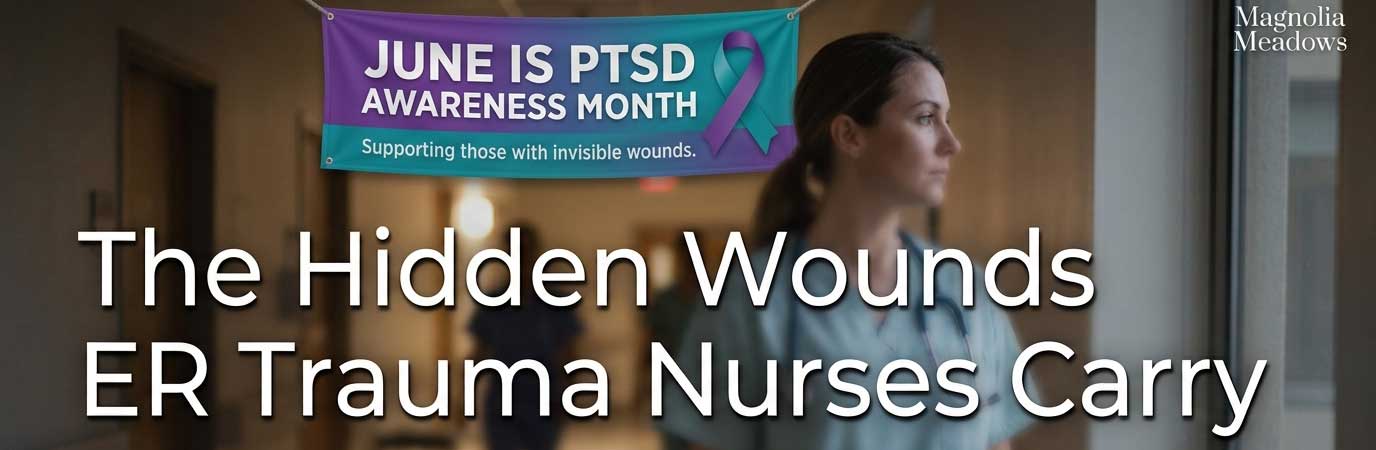
PTSD Awareness Month: The Hidden Wounds ER & Trauma Nurses Carry
By: Magnolia Meadows
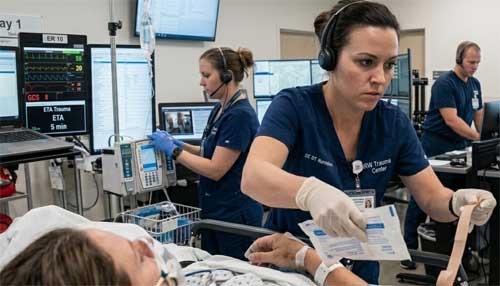
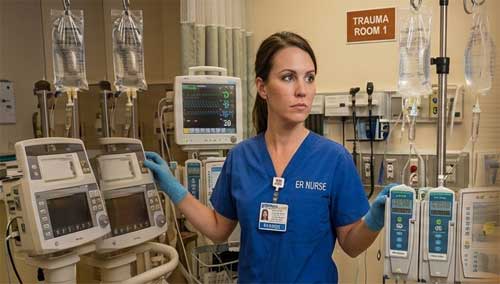
You stabilize the unstable, comfort the grieving, and make split-second decisions that save lives. But in the middle of treating physical injuries, there's a quieter reality: the emotional and psychological impact of repeated trauma exposure.
During PTSD Awareness Month, it's important to recognize that while patients may leave the ER, the experiences often stay with us.
What PTSD Looks Like in Emergency and Trauma Nursing
Post-Traumatic Stress Disorder (PTSD) doesn't only affect patients, military personnel, or first responders at disaster scenes. It can develop in healthcare professionals who are repeatedly exposed to:
- Severe injuries and death
- Pediatric trauma cases
- Violent incidents such as assault, abuse, or gunshot wounds
- High-pressure, life-or-death decisions
- Ethical dilemmas and moral distress
Common Signs You Shouldn't Ignore
PTSD doesn't always look like what people expect. In healthcare, it can show up as:
-
Emotional symptoms
- Feeling numb, detached, or "checked out"
- Irritability or anger that feels out of character
- Persistent anxiety or dread before shifts
-
Mental symptoms
- Intrusive memories or flashbacks of cases
- Difficulty concentrating or decision fatigue
- Trouble sleeping or recurring nightmares
-
Behavioral changes
- Avoiding certain patients, cases, or assignments
- Increased reliance on alcohol, food, or other coping mechanisms
- Withdrawing from coworkers, family, or friends
-
Physical effects
- Chronic fatigue
- Headaches or gastrointestinal issues
- Rapid heart rate or panic symptoms
Why ER and Trauma Nurses Are at Higher Risk
There are several unique factors that increase risk in acute care environments.
Repeated exposure without recovery time
Unlike a single traumatic incident, nurses often move immediately to the next patient without processing what just happened.
Emotional suppression culture
Healthcare culture often rewards toughness. Many nurses feel pressure to push through and not speak up.
Moral injury
Situations where you can't provide the level of care you believe patients deserve, or decisions conflict with your values, can leave lasting emotional wounds.
Lack of structured debriefing
After critical incidents, there's often no time or system in place to process as a team.
 The Cost of Ignoring It
Unchecked PTSD doesn't just affect nurses personally. It impacts clinical performance and decision-making, team dynamics and communication, retention and burnout rates, and overall patient care quality.
Many nurses leave the ER not because they can't handle the work, but because they were never given the tools to process it.
What Helps: Practical Strategies That Work
Normalize the conversation
Talking about trauma exposure shouldn't feel taboo. Leadership and peers can make a huge impact by simply acknowledging when something difficult has happened and creating space to talk about it.
Build micro-recovery moments
Even short resets can help regulate your nervous system. This might include taking a few slow, deep breaths between patients, stepping outside for fresh air, or using grounding techniques.
Use peer support
No one understands the intensity of the ER like your coworkers. Structured or informal debriefs after tough cases can reduce long-term stress.
Know when to seek professional support
If symptoms persist or intensify, connect with employee assistance programs, trauma-informed therapists, or peer support teams within your hospital. Seeking help is a clinical-level intervention for your own health. Magnolia Meadows is a higher level of care option if taking some time away to heal and do trauma-informed therapy like EMDR is needed.
 Protect your life outside of work. Recovery doesn't just happen on shift. Prioritize sleep, nutrition, hydration, movement, and activities that reconnect you to joy and identity outside nursing.
A Message to ER and Trauma Nurses
You are trained to recognize trauma in your patients. PTSD Awareness Month is a reminder to recognize it in yourself and your colleagues too. You don't have to carry every story alone. You don't have to just push through. And you deserve the same level of care you give others every single shift.
If You Take One Thing Away
Taking care of your mental health is not separate from being a great nurse. It is essential to it.
Magnolia Meadows Residential Treatment Facility provides Treatment exclusive for First Responders & Veterans battling Trauma, Mental Health Conditions and Co-Occurring Disorders, creating a healing atmosphere for recovery, and instill a confident hope that better days are ahead.
Reach out to learn more or speak with an admissions specialist.
855-644-7500
[email protected]