

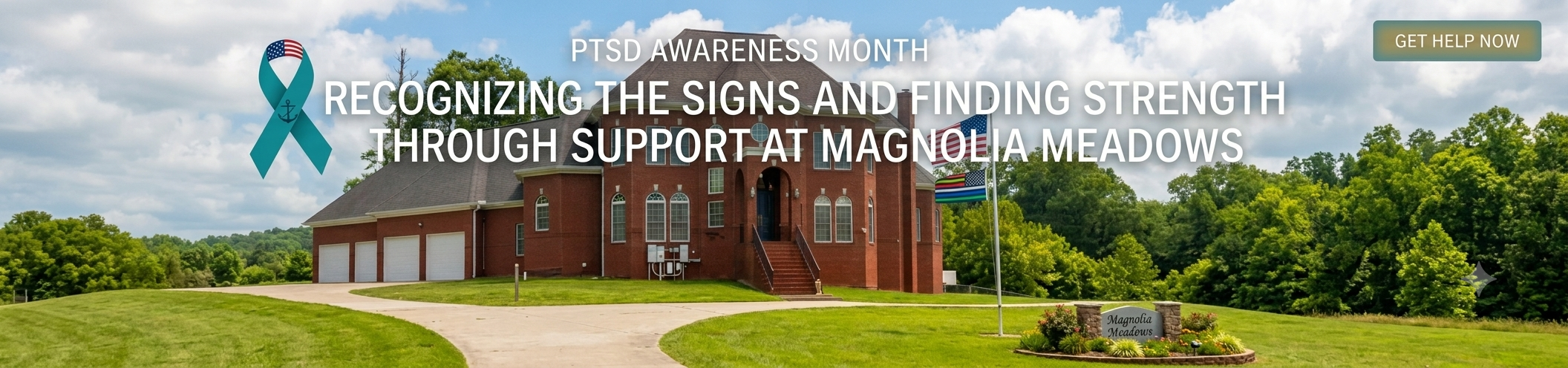
PTSD Awareness Month: Recognizing the Signs and Finding Strength Through Support at Magnolia Meadows
By: Magnolia Meadows
Understanding PTSD in Active-Duty Military
Post-Traumatic Stress Disorder (PTSD) is a mental health condition that can develop after experiencing or witnessing traumatic events such as combat exposure, life threatening situations, or repeated high stress missions. For active-duty service members, PTSD may develop gradually and often goes unrecognized due to the culture of pushing forward and staying mission focused.
Common causes of PTSD in military personnel include combat exposure and firefights, loss of fellow service members, exposure to injury or death, repeated high stress deployments, and moral injury or ethical conflicts experienced in combat. Recognizing PTSD early is key to recovery and long-term health.
Signs and Symptoms of PTSD
PTSD does not look the same for everyone, but there are common symptoms that active-duty personnel should be aware of. Intrusive thoughts may include flashbacks, nightmares, or distressing memories that interrupt daily life. Avoidance behaviors can show up as staying away from certain people, places, or conversations, along with emotional numbness or loss of interest in activities. Changes in mood and thinking may include guilt, shame, hopelessness, or difficulty concentrating. Increased arousal and reactivity can involve being constantly on edge, sleep disruption, and an exaggerated startle response.
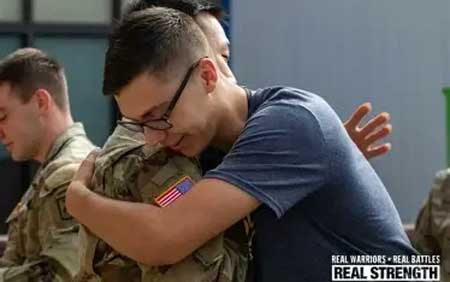 One of the most misunderstood and often unspoken symptoms of PTSD in active-duty military is irritability and aggressiveness. This can look like a short temper, frustration over small things, anger outbursts, or feeling constantly on edge in a way that leads to snapping at others. It is important to understand that this is not a personal failure or a sign of weakness. It is a natural response from a nervous system that has been trained to stay alert, react quickly, and protect.
In high stress or combat environments, heightened alertness and rapid reactions are necessary for survival. When the brain and body remain in that state after the threat is gone, it can show up as irritability or aggression in everyday situations. Many service members feel shame about this, especially when it impacts relationships or interactions with others, but these reactions are rooted in how the brain processes trauma, not in who you are as a person.
Recognizing irritability and anger as symptoms of PTSD can help remove that shame and open the door to getting the right support. These patterns can be treated and improved with the right care.
If symptoms persist for more than a few weeks and begin interfering with daily functioning, it may be time to seek professional support.
Breaking the Stigma: Seeking Help is Strength
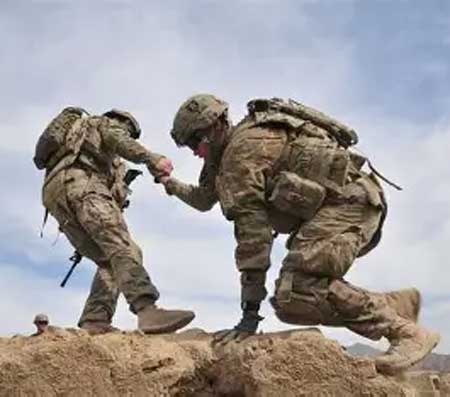
In military culture, asking for help can sometimes feel like a weakness, but it is actually one of the strongest and most mission-ready decisions a service member can make.
Untreated PTSD can impact operational readiness, relationships with fellow service members and family, physical health, and long-term career goals. Irritability and anger in particular can strain communication and connection, but with treatment, these responses can be understood, managed, and reduced. Early intervention leads to better outcomes and recovery is absolutely possible.
 How Magnolia Meadows Supports Active-Duty Military
At Magnolia Meadows, we specialize in trauma informed care tailored to the needs of military personnel. Our approach is built on respect, confidentiality, and clinical excellence, helping service members heal without judgment.
We provide comprehensive, evidence-based treatment that includes Cognitive Behavioral Therapy, Eye Movement Desensitization and Reprocessing, trauma focused therapy, and stress and anxiety management techniques. These therapies are especially effective in helping individuals process trauma and regain control over emotional responses such as irritability and anger.
Our environment is safe and confidential, addressing concerns about privacy and career impact while creating a supportive space where service members can speak openly about what they are experiencing without fear of judgment.
Whole Person Healing and Individualized Care
Recovery is about more than symptom management. Magnolia Meadows focuses on whole person healing, including emotional wellness, physical health, coping skills, and resilience building. A key part of treatment is learning how to regulate stress responses, improve communication, and rebuild a sense of control and balance.
Every service member receives an individualized care plan designed to meet their specific needs, whether short term stabilization or more intensive support is required.
 Taking the First Step
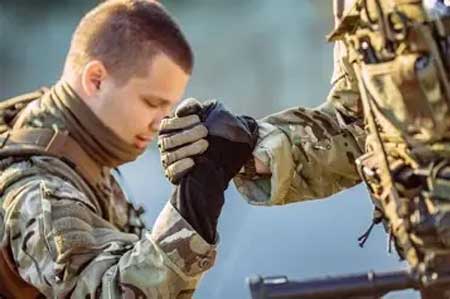
If you are an active-duty service member experiencing symptoms of PTSD, including irritability or anger that feels difficult to control, you are not alone. What you are experiencing is valid, it has a clear explanation, and effective treatment is available.
This PTSD Awareness Month is an opportunity to prioritize your mental health with the same commitment you give to your mission. Strength is not about suppressing what you feel. It is about recognizing what your mind and body have been through and taking steps toward recovery.
Magnolia Meadows is honored to support those who serve. If you or someone you know is struggling with PTSD, reaching out for help can be the first step toward lasting change and relief.
Magnolia Meadows Residential Treatment Facility provides Treatment exclusive for First Responders & Veterans battling Trauma, Mental Health Conditions and Co-Occurring Disorders, creating a healing atmosphere for recovery, and instill a confident hope that better days are ahead.
Reach out to learn more or speak with an admissions specialist.
855-644-7500
[email protected]