

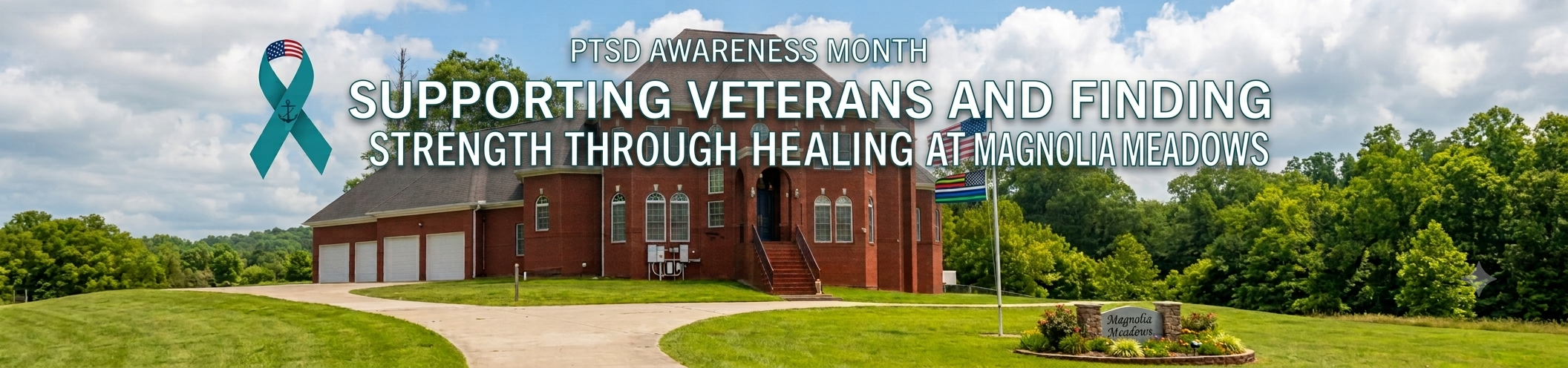
PTSD Awareness Month: Supporting Veterans and Finding Strength Through Healing at Magnolia Meadows
By: Magnolia Meadows
Understanding PTSD in Veterans
Post-Traumatic Stress Disorder (PTSD) is a mental health condition that can develop after exposure to traumatic events such as combat, life threatening situations, or witnessing injury or loss. For veterans, PTSD does not always appear immediately. It can surface months or even years after leaving service, often during the transition to civilian life when structure and routine change.
Common causes of PTSD in veterans include combat exposure, loss of fellow service members, exposure to violence or injury, repeated deployments, and moral injury related to difficult experiences during service. These experiences can leave lasting effects on how the brain and body respond to stress.
Signs and Symptoms of PTSD
PTSD can show up in different ways, and many veterans may not initially connect their symptoms to trauma. Intrusive thoughts may include flashbacks, nightmares, or unwanted memories that feel difficult to control. Avoidance behaviors can involve withdrawing from others, avoiding certain environments, or losing interest in activities that once felt important.
Changes in mood and thinking may include feelings of guilt, shame, detachment, or difficulty concentrating. Increased arousal and reactivity can show up as sleep issues, hypervigilance, and being constantly on edge.
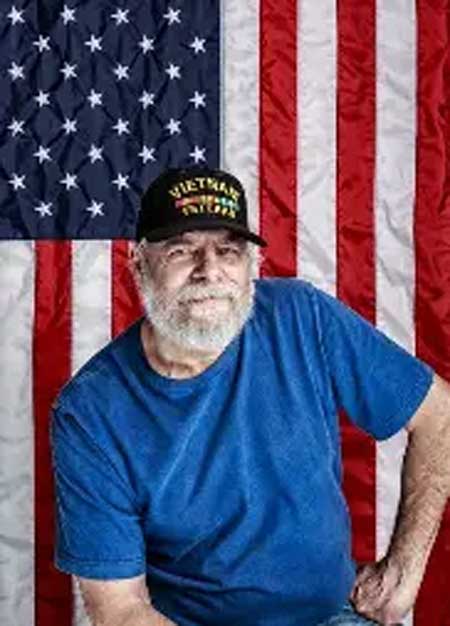 One of the most common and least talked about symptoms in veterans is irritability and anger. This can look like a short fuse, frustration over small situations, or feeling like emotions escalate quickly without warning. Many veterans feel guilt or shame about these reactions, especially when they impact relationships, work, or everyday life.
It is important to understand that irritability and aggression are not character flaws. They are often the result of a nervous system that has been conditioned for survival. In military environments, quick reactions, heightened awareness, and strong emotional responses can protect lives. When those responses continue after service, they can show up in situations where they are no longer needed.
These reactions are not a failure. They are a sign that the brain and body are still operating as if they are in a high threat environment. With the right support, these patterns can be understood, managed, and improved.
If symptoms persist and begin interfering with daily functioning, it may be time to seek professional support.
Breaking the Stigma for Veterans
Many veterans hesitate to seek help due to stigma, pride, or concern about how they will be perceived. There can be a belief that they should be able to handle things on their own. In reality, reaching out for support is a continuation of the same strength and discipline developed during service.
Untreated PTSD can affect relationships, physical health, sleep, employment, and overall quality of life. Irritability and anger in particular can create distance between veterans and the people they care about most. Addressing these symptoms early can lead to better outcomes and a stronger sense of control.
How Magnolia Meadows Supports Veterans
At Magnolia Meadows, we provide trauma informed care specifically designed to support veterans in their recovery. Our approach recognizes the unique experiences of military service and the challenges that come with transitioning into civilian life.
 We offer evidence based therapies such as Cognitive Behavioral Therapy, Eye Movement Desensitization and Reprocessing, and trauma focused therapy. These approaches help veterans process traumatic experiences and reduce symptoms like anxiety, irritability, and emotional reactivity.
Our environment is safe, respectful, and confidential. Veterans can speak openly about their experiences without fear of judgment. Care plans are individualized, ensuring that each person receives the level of support they need.
Whole Person Healing and Lasting Recovery
Healing from PTSD is about more than reducing symptoms. At Magnolia Meadows, we focus on whole person care, helping veterans rebuild emotional balance, strengthen coping skills, and reconnect with a sense of purpose.
A key part of this process includes learning how to manage triggers, regulate emotional responses, and improve communication in relationships. Veterans often find that as they better understand their reactions, the shame and frustration begin to lessen.
Recovery is not about changing who you are. It is about helping your mind and body move out of survival mode and into a place of stability and control.
Taking the First Step
If you are a veteran experiencing symptoms of PTSD, including irritability or anger that feels difficult to manage, you are not alone. These experiences are common, valid, and treatable.
This PTSD Awareness Month is an opportunity to prioritize your mental health and give yourself the same care and attention you gave in service to others. Seeking help is not a sign of weakness, it is a step toward reclaiming your life.
Magnolia Meadows is honored to support veterans on their path to recovery. Reaching out for help can be the first step toward feeling more in control, more connected, and more at peace.
Magnolia Meadows Residential Treatment Facility provides Treatment exclusive for First Responders & Veterans battling Trauma, Mental Health Conditions and Co-Occurring Disorders, creating a healing atmosphere for recovery, and instill a confident hope that better days are ahead.
Reach out to learn more or speak with an admissions specialist.
855-644-7500
[email protected]